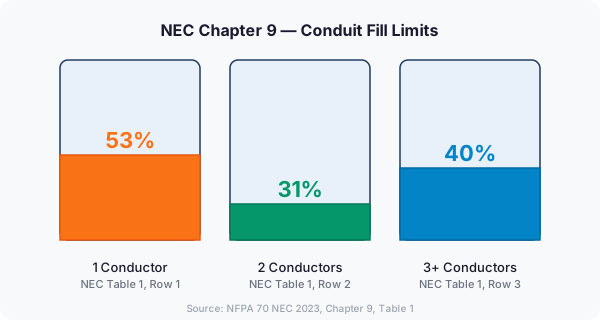
NEC Conduit Fill Rules: What Every Electrician Must Know
NEC Chapter 9 limits conduit fill to 40% for 3+ conductors. Learn the exact rules, why they exist, and how to apply them on every job.
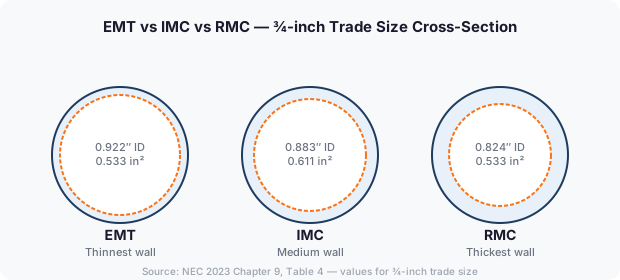
EMT vs IMC vs RMC: Which Conduit Should You Use?
EMT, IMC, and RMC each suit different applications. This comparison covers wall thickness, cost, installation ease, and NEC fill area differences.
Read article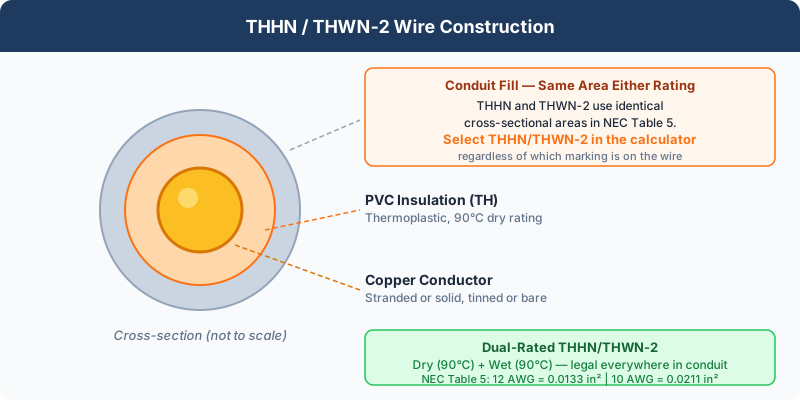
THHN vs THWN-2: Differences, Uses, and When It Matters
Most THHN wire sold today is dual-rated THHN/THWN-2. Learn when the distinction matters, what the ratings mean, and how wire type affects conduit fill.
Read article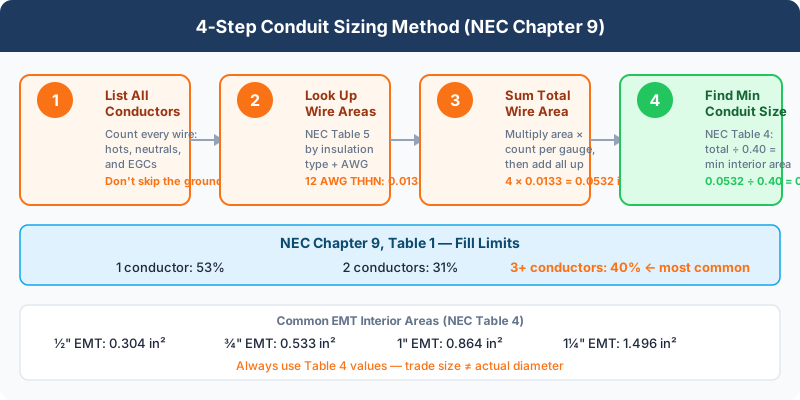
How to Size Conduit for Any Wiring Job (Step-by-Step)
Conduit sizing comes down to NEC fill limits and the wires you need to run. Follow this step-by-step method for any conduit type and wire combination.
Read article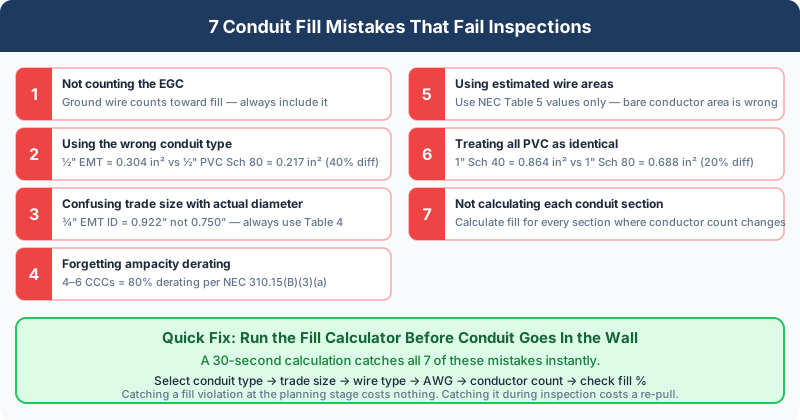
7 Conduit Fill Mistakes That Fail Inspections
These 7 conduit fill errors cause the most inspection failures. Each one is easy to avoid once you know what to look for.
Read article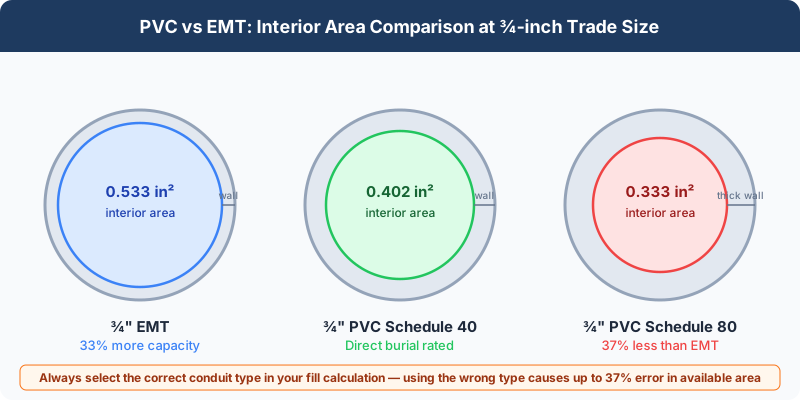
PVC vs EMT Conduit: Cost, Installation, and Code Guide
PVC and EMT each have clear advantages depending on the application. This guide covers fill areas, cost, installation requirements, and NEC permitted uses.
Read article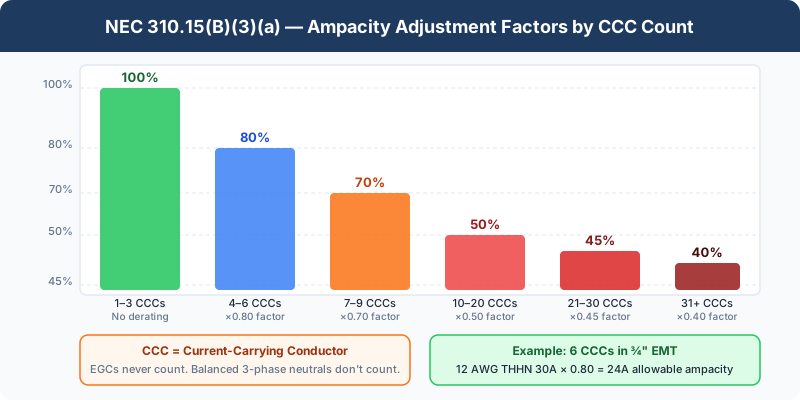
Wire Derating and Ampacity: How Conduit Fill Affects Conductor Ratings
Passing the conduit fill test isn't enough. High conductor counts require ampacity derating per NEC 310.15. Here's exactly how to apply it.
Read article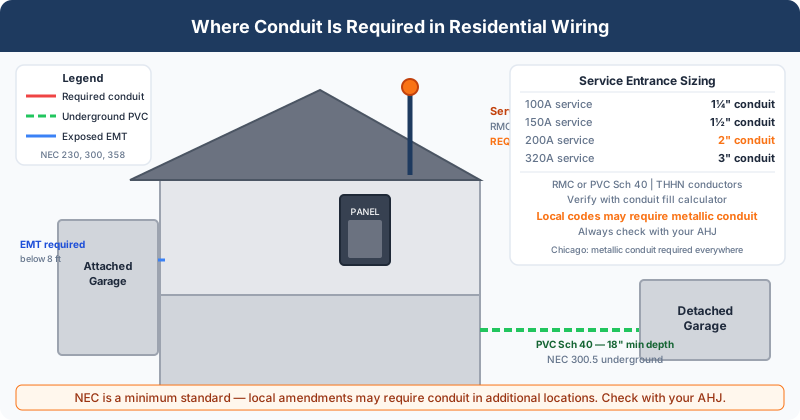
When to Use Conduit in Residential Wiring: A Code Guide
Conduit isn't required everywhere in homes, but NEC mandates it in specific locations. Learn where conduit is required, where it's optional, and how to size it correctly.
Read article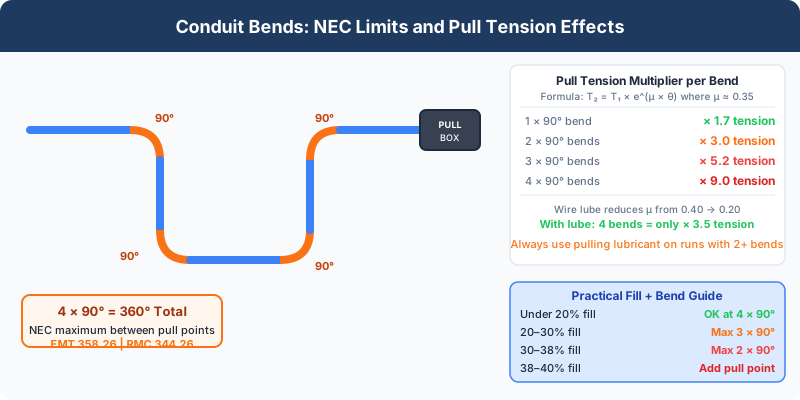
How Conduit Bends Affect Fill Calculations and Pull Tension
Conduit bends don't change NEC fill percentages, but they dramatically affect wire pull difficulty. Learn the relationship between bends, fill, and safe pulling practices.
Read article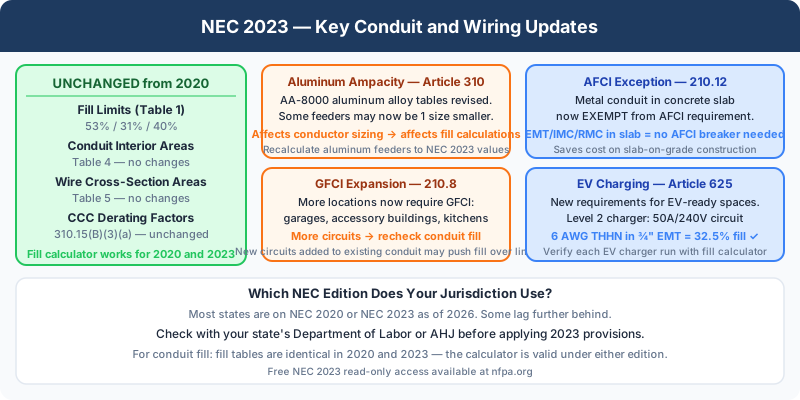
NEC 2023 Conduit and Wiring Updates: What Changed?
The NEC 2023 edition includes targeted updates to conduit fill, conductor sizing, and wiring methods. Here's what changed and how it affects your calculations.
Read article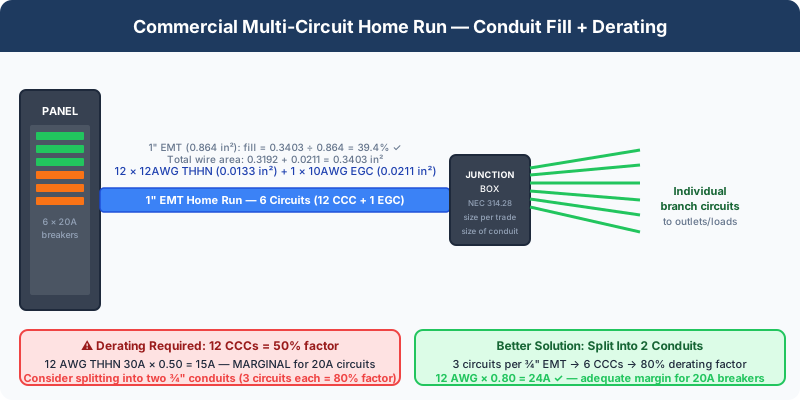
Conduit Fill in Commercial Wiring: Feeders, Panels, and High-Density Runs
Commercial electrical work pushes conduit fill calculations harder than residential. Learn how to handle feeders, multi-circuit runs, and high-density panel feeds.
Read article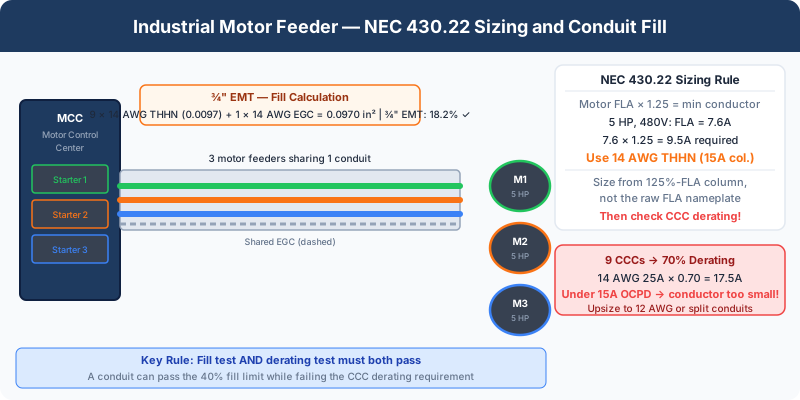
Conduit Fill in Industrial Facilities: Motor Feeders and Hazardous Locations
Industrial conduit fill calculations differ from commercial work due to motor feeder sizing, continuous loads, and hazardous location conduit requirements.
Read article